
Progress in surgical residency is difficult to notice while it is happening.
You still get corrected. You still meet problems you have never seen. There is always somebody faster, more experienced, or more technically fluent. If you measure yourself only against the next level, it can feel as if nothing is changing.
Then a familiar kind of problem appears and something feels different.
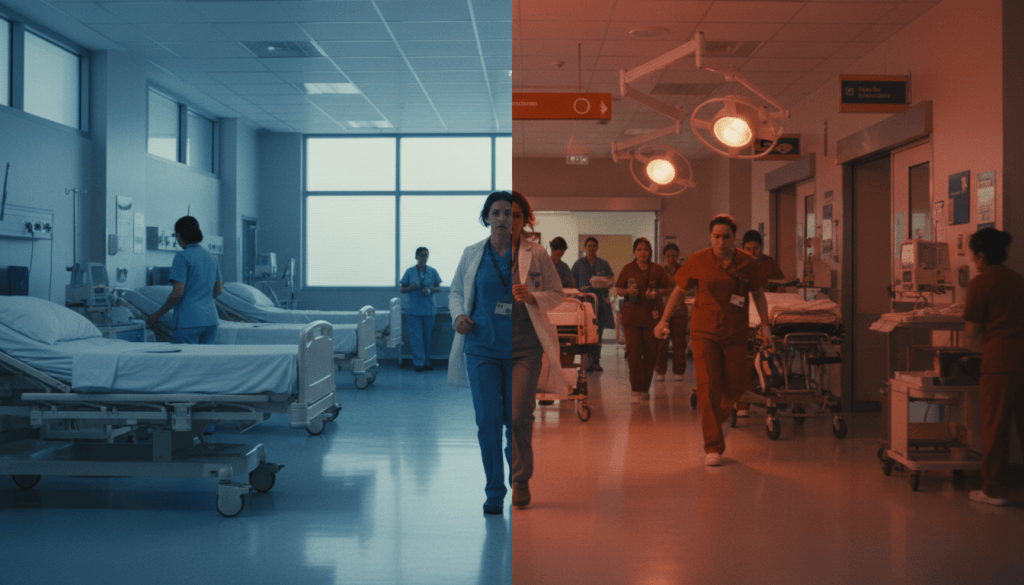
The situation is the same; your internal noise is lower
A ward call that once created immediate panic now produces a sequence: see the patient, gather the relevant information, identify what changed, decide what needs to happen next, escalate if needed.
You may not know the final answer. The difference is that uncertainty no longer feels shapeless.
Experience creates categories
Early residency contains thousands of isolated facts. Over time they begin organizing themselves into patterns. This looks expected. This needs another examination. This result can wait. This one changes the plan. This is the moment to call.
Judgment often feels like calm because the brain has fewer possibilities to consider from scratch.
Calm is not the same as being relaxed
Residents can be completely focused and still look calm. The useful change is not that the work stops mattering. It is that urgency becomes more selective.
You stop treating every phone call as equally important. You become more comfortable saying, “I will come after I finish this.” You recognize which problems deserve immediate attention.
You also recover faster from not knowing
Being asked a question you cannot answer feels different after enough training. Instead of interpreting the gap as proof that you are incompetent, you can simply identify what you need to learn.
That sounds small. It frees an enormous amount of mental energy.
The people around you notice first
Seniors may start asking for your plan before offering theirs. Nurses may bring you problems expecting a decision rather than an introduction. Junior trainees may ask you questions you still feel slightly surprised to be answering.
Trust often changes before your self-image catches up.
You are not becoming indifferent
One fear residents sometimes have is that becoming less emotionally reactive means becoming less caring. Usually it means you are learning where attention is most useful.
A calm clinician can still care deeply. They are simply less likely to spend all of their cognitive energy on the fact that the situation is stressful.
Look backward occasionally
Residency makes it easy to compare yourself only with the surgeon you are not yet. Every few months, compare yourself with the resident who started.
Which calls are easier? Which presentations are shorter? Which operations make more sense? Which conversations no longer need rehearsal? Which problems can you now structure before help arrives?
That is progress too.
Related reading: The First Time Someone Asks “What Do You Think?” and The Middle of Surgical Residency.
One day, a problem that once felt enormous will simply feel like work. You may not notice the exact moment that changed. That is often how growth in residency looks from the inside.





Leave a Reply