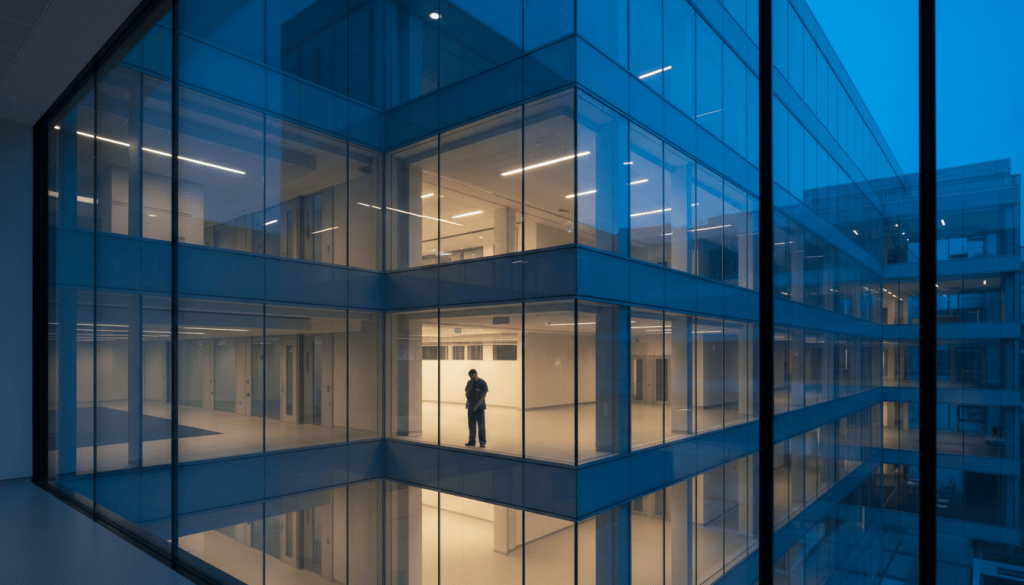
At the beginning, a hospital is mostly geography.
Which staircase gets you to theatre? Where is radiology? Which phone number reaches the right service? Which door requires a badge? Where does the ward round start?
Later, the same building begins to look different.
The corridor becomes a map of workflow
You stop seeing only rooms and start seeing dependencies. That corridor leads to the scanner that delays discharges. That desk is where the night team hands over. That ward tends to call early because they know their patients well. That corner is where you can finally hear a senior on the phone.
The building has not changed. Your understanding of the system has.
You begin to notice patterns before details
A new resident can be overwhelmed by individual facts. With experience, patterns start appearing. A postoperative course looks familiar. A handoff sounds incomplete in a recognizable way. A patient who “doesn’t look right” triggers attention before you have named the exact reason.
Pattern recognition is useful, but it also needs discipline. Familiarity should make you faster at asking the right questions, not more willing to assume that today’s patient is identical to yesterday’s.
You see the invisible work
Before training, surgery can look like operations surrounded by waiting. From inside, you begin to see how much of the job happens elsewhere: organizing investigations, speaking to families, checking results, coordinating other teams, documenting decisions, arranging follow-up, and making sure a plan survives the handoff.
The ordinary work becomes more visible because you are now responsible for part of it.
People stop being roles and become a system
The radiographer, ward clerk, porter, nurse, anesthetist, physiotherapist, pharmacist, senior resident, consultant, and emergency physician stop being separate background characters. You learn how their work intersects with yours.
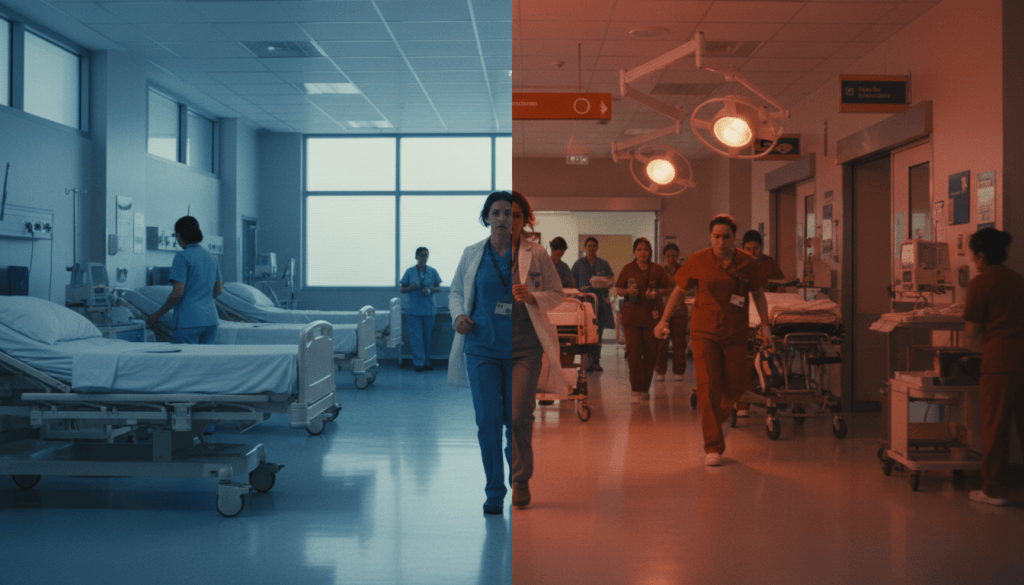
That is one of the biggest shifts from student to resident: the hospital becomes less like a collection of departments and more like a living network of handoffs.
Familiarity can make difficult things look ordinary
There is also a risk in becoming used to the hospital. Serious illness can become routine because you see it every day. Long shifts can start to feel normal because everyone around you is working them. Difficult conversations can become part of the schedule.
Experience is necessary. Numbness is not the same thing as experience. Staying curious about the patient behind the routine helps protect that distinction.
You eventually stop feeling like a visitor
One day the hospital no longer feels like somewhere you are trying to navigate. You know the rhythm. You know whom to call. You know where the problems usually appear. Other people begin asking you for directions, decisions, or context.
The change is subtle enough that you may notice it only in retrospect.
From the resident side
Residency changes more than what you know. It changes what catches your eye.
The hospital starts as a complicated place full of information. Over time, it becomes a place full of signals. Learning which signals matter is part of becoming useful inside it.
Related reading: The Invisible Work of Surgical Residency, A Day in the Life of a Surgical Resident, and Belonging in Surgical Residency.




Leave a Reply