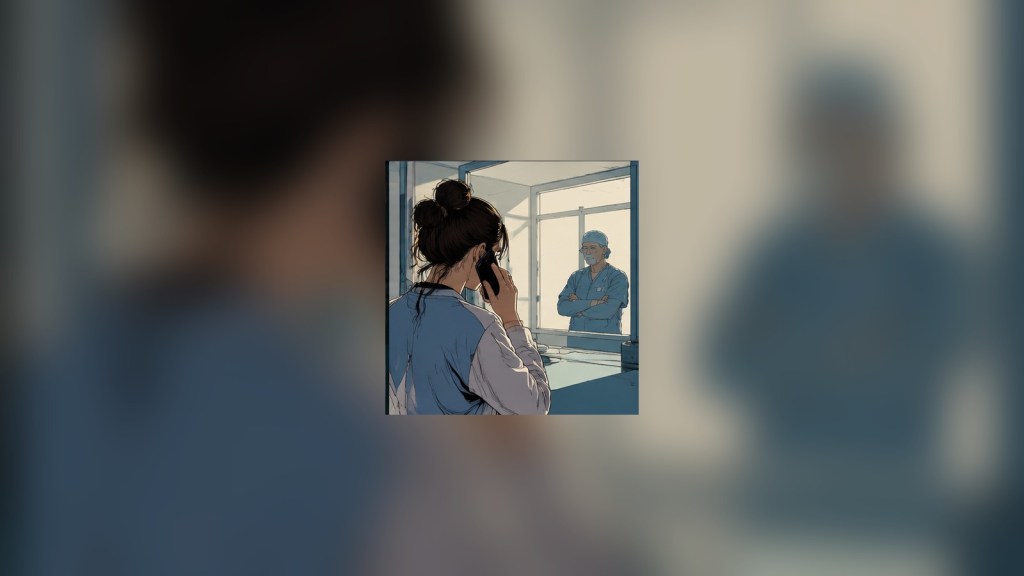
There are two easy ways to supervise a resident badly.
One is to control every decision so closely that the resident never has to think independently. The other is to disappear and call the resulting anxiety “autonomy.”
Good supervision sits somewhere in the middle. The exact point moves as the resident changes.
The best supervisors make the safety net visible
A junior resident should know who to call, how to reach them, and which situations should trigger that call. Clear escalation expectations remove one of the most dangerous forms of uncertainty: not knowing whether asking for help will be seen as appropriate.
Sometimes the most reassuring response from a senior is simple: “I’ll come see the patient with you.” It does not solve the problem for the resident. It turns the problem into supervised learning instead of isolated guessing.
Good supervision asks for your thinking before giving the answer
If every plan arrives from above before the resident has to form one, clinical judgment develops slowly.
A strong supervisor asks what you think, listens long enough to understand the reasoning, then adjusts the plan where necessary. That makes the correction teachable because you can see the gap between your model and theirs.
Autonomy should feel earned, not random
Residents should not receive more independence because the service happens to be understaffed. They should receive it because their preparation, judgment, communication, and performance have become reliable enough for supervision to step back.
That distinction changes how autonomy feels. One version is abandonment. The other is trust.
A good senior can let you struggle without letting you sink
Learning requires some difficulty. If the supervisor intervenes at the first sign of hesitation, the resident never gets to work through the problem. If they wait until the situation is unsafe, the difficulty was not educational.
Experienced teachers become good at that timing: enough space for the resident to think, enough proximity to step in when needed.
Feedback is part of supervision
Residents cannot calibrate themselves if the only feedback is whether the senior took over. Good supervision explains what was done well, what changed the level of trust, and what should be different next time.
Specific feedback turns supervision into a progression system rather than a series of isolated approvals.
The emotional effect is easy to underestimate
When residents know help is available, they can spend more attention on the patient and less attention on whether calling will create a negative reaction. Psychological safety is not about making the work comfortable. It is about making important information easier to communicate.
What residents can do from their side
- Make your reasoning visible.
- Call with a concise problem and a proposed plan when possible.
- Ask what should trigger another call.
- Prepare for cases before requesting more responsibility.
- Act on feedback so supervisors can see progression.
- Do not hide deterioration or uncertainty to protect the appearance of independence.
Related reading: When to Call Your Senior, The First Time Someone Asks “What Do You Think?”, and Confidence vs Arrogance in Surgical Residency.
Good supervision eventually becomes less visible. The senior speaks less, the resident carries more of the decision, and both people know that help is still close enough if the situation changes. That is what graduated autonomy is supposed to feel like.





Leave a Reply